
How Daily Affirmations Can Reduce Stress and Improve Well-Being

Understanding the Power of Daily Affirmations
In the constant hustle and bustle of modern life, many individuals find themselves engulfed in feelings of stress and anxiety. As a result, an increasing number of people are turning to various strategies aimed at improving mental health and fostering overall well-being. Among these techniques, the practice of daily affirmations stands out as a particularly impactful tool.
Daily affirmations are concise, positive statements that not only challenge but also disrupt negative thought patterns, serving as a mechanism to reinforce self-belief and positivity. Integrating this practice into one’s routine can yield remarkable benefits, such as:
- Reducing feelings of stress and anxiety: Regular affirmations can help alleviate anxiety by changing the narrative we tell ourselves, transforming “I can’t handle this” into “I am capable and strong.”
- Enhancing self-esteem and confidence: By affirming one’s strengths and aspirations, individuals begin to view themselves more positively, which can translate into greater confidence in personal and professional realms.
- Promoting a positive mindset: Repeating affirmations can gradually shift thought patterns, moving from a defeatist mentality to one of optimism and resilience.
However, the benefits of daily affirmations extend far beyond mere repetition of feel-good phrases. This practice involves a conscious effort to reshape how we perceive ourselves and respond to external challenges. Research supports the idea that consistent use of affirmations can bring about substantial improvements in mental health. For example, studies have linked daily affirmations to:
- Lower blood pressure: Regular engagement with affirmations can contribute to overall cardiovascular health by reducing stress-related responses.
- Improved emotional resilience: Those who practice affirmations often develop a stronger emotional fortitude, allowing them to bounce back more quickly from setbacks.
- Enhanced coping skills: Affirmations equip individuals with a set of mental tools that help them manage crises and challenges more effectively.
As mental health takes center stage in public discourse, understanding how to effectively integrate affirmations into daily routines can be a game-changer. Simple practices, such as starting the day with a statement like “I am worthy of love and success,” can set a positive tone for the day ahead. This is particularly relevant in the United States, where stressors are prevalent and often magnified by cultural expectations and responsibilities.
By embracing daily affirmations, individuals can embark on a journey toward improved mental health and emotional well-being, unlocking a more peaceful and grounded state of mind. Delving into the science behind affirmations underscores their potential and importance in cultivating a resilient, positive approach to life. In a world that increasingly values mental well-being, reaffirming oneself could be an essential step toward a happier, more fulfilling existence.
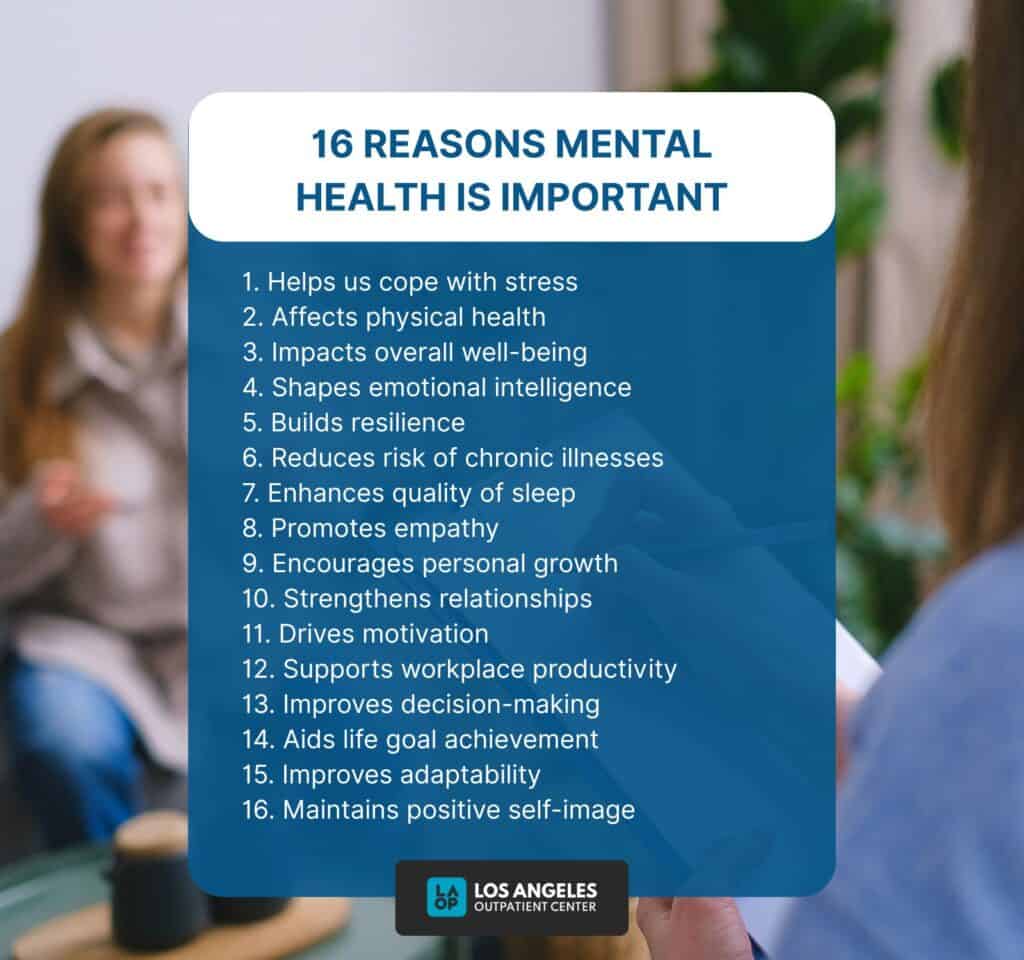
DISCOVER MORE: Click here to enhance your routine
The Mechanisms Behind Affirmations and Stress Reduction
Understanding how daily affirmations work requires a closer examination of the psychological mechanisms they activate. At their core, affirmations are more than just positive statements; they serve as cognitive restructuring tools that help combat pervasive negative thoughts that contribute to stress. When we repeat affirmations, we engage in a process that alters the way we perceive ourselves and our circumstances. This is particularly important in a fast-paced society, such as the United States, where external pressures can lead to overwhelming feelings of inadequacy and stress.
One of the key benefits of affirmations lies in their ability to enhance self-awareness. By focusing on positive aspects of ourselves, we are encouraged to reflect on our strengths and achievements rather than ruminating on perceived failures. When we say, “I am resilient in the face of challenges,” we not only acknowledge our capabilities but also begin to internalize this belief. This practice fosters an environment where stressors are viewed as manageable rather than insurmountable obstacles. It offers comfort in knowing that we hold the power to navigate our lives effectively.
Additionally, engaging with affirmations can lead to a profound shift in emotional regulation. Stress often triggers a fight-or-flight response that can cloud judgment and lead to impulsive reactions. However, daily affirmations promote a slower, more thoughtful approach to emotional processing. By instilling a sense of calm, they can help reduce the frequency and intensity of stress-induced reactions. Here are some mechanisms through which affirmations work to alleviate stress:
- Neuroplasticity: Regularly repeating affirmations can lead to changes in neural pathways, making it easier to replace negative thought patterns with more positive, constructive thoughts.
- Mindfulness: The act of reciting affirmations fosters a moment of mindfulness, allowing individuals to center themselves and focus on the present, which can diminish anxiety about the future.
- Increased self-compassion: Affirmations encourage a nurturing attitude towards oneself, promoting emotional acceptance and reducing self-criticism that often exacerbates stress.
Moreover, affirmations can create a ripple effect in daily life. When individuals feel positive and confident about themselves, they are more likely to engage with their surroundings in a constructive way. For instance, a person who starts their day with affirmations like “I attract positivity and joy” may find themselves approaching challenges at work or in personal life with a sense of enthusiasm and resilience. The implications are profound, suggesting that one’s internal dialogue has a direct impact not just on mental health, but also on interactions with others and overall satisfaction with life.
The practice of daily affirmations is therefore not merely a self-help fad; it is a legitimate strategy supported by psychological research that promotes better mental health and well-being. By making a habit of affirming positive thoughts, individuals can equip themselves with the mental fortitude needed to tackle the numerous pressures of daily life, reaffirming their value and potential on a consistent basis. The journey to improved well-being is often incremental, and with the power of affirmations, it can be a significantly transformative one.
| Category | Description |
|---|---|
| Cognitive Benefits | Daily affirmations can shift negative thought patterns into positive ones, leading to enhanced mental clarity and positivity. |
| Emotional Resilience | Regularly practicing affirmations can improve emotional stability and develop a more resilient mindset to handle stress. |
Daily affirmations harness the potential to reshape not only our mindset but also our overall emotional state. They can counteract the damage inflicted by chronic stress, which is known to elevate cortisol levels, leading to anxiety and physical ailments. Emphasizing statements like “I am capable,” or “I attract positivity,” primes the brain to focus on the positive aspects of life, enhancing mood and well-being.Research indicates that affirmations can activate areas of the brain associated with self-processing and rewards, leading to improved confidence and motivation. Incorporating simple practices, like affirmations, can amplify your journey towards better stress management and enhanced quality of life. By embracing daily affirmations, individuals might find a transformative tool to combat anxiety and foster a sense of peace, encouraging them to delve deeper into the power of positive thinking.
DISCOVER MORE: Click here to enhance your self-esteem
The Role of Consistency in the Effectiveness of Affirmations
The effectiveness of daily affirmations is greatly enhanced by the principle of consistency. Just as physical exercise requires a regular commitment to see results, integrating affirmations into one’s daily routine is essential for maximizing their stress-reducing benefits. Research indicates that the brain thrives on repetition; it’s through consistency that individuals can forge new neural connections that solidify positive beliefs. When affirmations are repeated regularly—whether in the morning routine or during moments of stress—they become ingrained, enabling an immediate shift in mindset.
A crucial aspect of this consistency is the establishment of a personal affirmation practice. Individuals are encouraged to tailor affirmations that resonate deeply with their unique challenges and aspirations. For instance, someone facing high levels of work-related stress might affirm, “I am capable of handling every task with ease and skill.” This specificity enhances the efficacy of the affirmation, making it more relevant and personally meaningful. As a result, the affirmation does more than just fill the silence; it taps into the subconscious, gradually turning optimistic statements into belief systems.
The Science Behind Affirmations and Stress Relief
Numerous studies have explored the psychological mechanisms underpinning the effectiveness of affirmations. For example, a study published in the journal Psychological Science found that individuals who engaged in self-affirmation tasks experienced a reduction in stress levels and increased resilience when faced with challenging situations. This corroborates the notion that affirmations can modulate one’s emotional responses by reinforcing self-worth and confidence.
Furthermore, engaging in daily affirmations can significantly lower the body’s physiological stress responses. The impacts of stress are not merely psychological; they manifest physically through heightened levels of cortisol, a hormone that could lead to various health issues when chronically elevated. Affirmations can counteract this by promoting relaxation and reducing anxiety, effectively leading to a healthier neuroendocrine response. When individuals replace negative self-talk with affirming statements, they may find that their cortisol levels decrease, leading to reduced muscle tension, lower heart rates, and an overall sense of calm.
The Interconnectedness of Affirmations and Gratitude
Interestingly, daily affirmations often intertwine with practices of gratitude, magnifying their effectiveness. Incorporating gratitude into affirmations can further enhance well-being, such as when one states, “I am grateful for the opportunities I have, and I embrace the abundance that surrounds me.” This fusion not only fosters a positive self-narrative but also elevates overall life satisfaction. Research has shown that gratitude can significantly diminish feelings of stress and depression, with affirmations serving as a powerful tool to cultivate this mindset.
- Improved resilience: A study from the University of California found that individuals who practiced both gratitude and affirmations developed greater resilience and decreased mental distress.
- Empowered self-perception: Affirmations grounded in gratitude can transform one’s self-view, leading to improved self-esteem and further reducing stress levels.
In order to leverage the combined power of affirmations and gratitude, individuals can create a daily ritual that includes writing down or verbally expressing affirmations that inspire gratitude. This practice not only creates a positive feedback loop but also promotes a comprehensive approach to stress management.
EXPLORE MORE: Click here to discover the power of daily affirmations
Conclusion: The Transformative Power of Daily Affirmations
In summary, the practice of daily affirmations emerges as a powerful tool for reducing stress and enhancing overall well-being. By consciously shifting our focus from negativity to positivity through affirmations, we can not only alter our mental and emotional states but also influence our physiological responses to stress. The science supports this dynamic—consistent affirmation practices foster resilience, cultivate self-worth, and promote relaxation, creating a profound ripple effect across various aspects of health.
The integration of gratitude into affirmations further amplifies these benefits, demonstrating that a positive mindset is intricately connected to our capacity for emotional regulation and life satisfaction. As evidenced by research, embracing gratitude can enhance resilience and empower self-perception, forming a holistic strategy to combat everyday stressors.
Ultimately, establishing a personal routine that includes tailored affirmations and moments of gratitude can lead to lasting change. Individuals seeking to foster their mental health and improve their well-being should consider incorporating this simple yet effective practice into their daily lives. As we embark on this journey of self-affirmation, one thing becomes clear: the power to heal from stress and enhance our well-being lies within each one of us, waiting to be unlocked through the consistent and intentional practice of positivity.